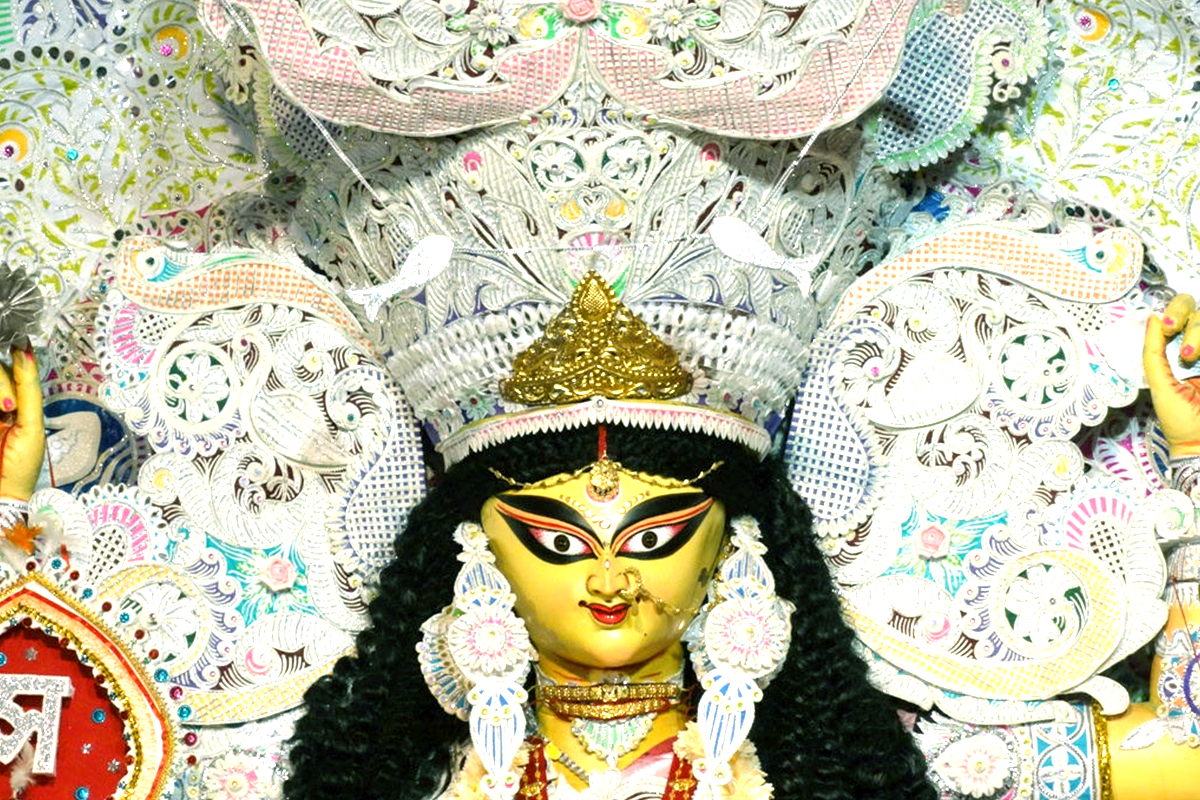
Heritage of Maa Jagadhatri
জগদ্ধাত্রী শব্দের উৎপত্তি, তন্ত্র সাধনা ও বৈষ্ণব-শাক্ত সমন্বয়
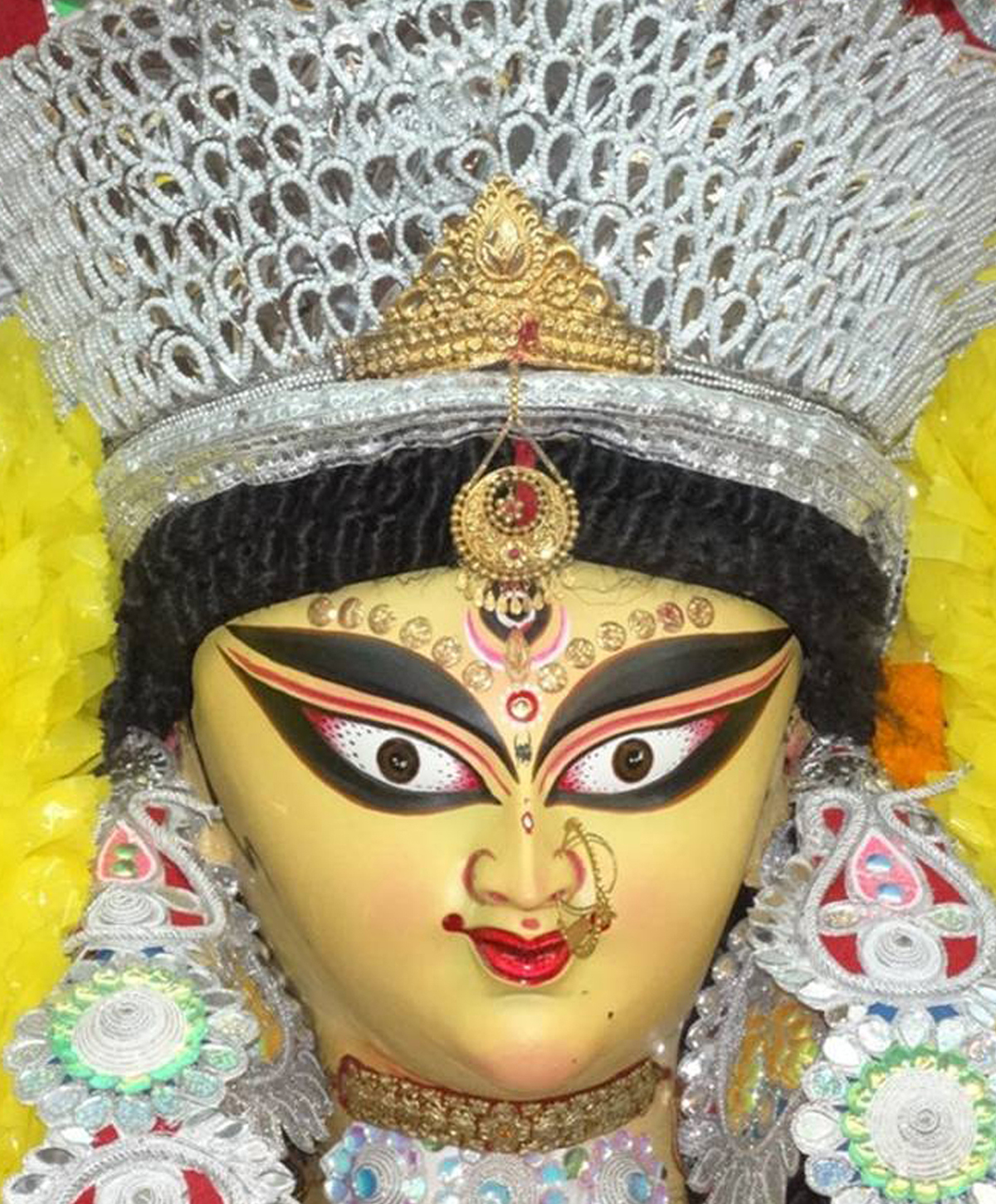
The Holder and Sustainer of the Cosmos
In Sanskrit and Bengali, the word "Jagaddhatri" (জগদ্ধাত্রী) is a sacred compound of two terms:
• Jagat (জগৎ) = The Manifest Creation / The Universe
• Dhatri (ধাত্রী) = The Divine Mother / Sustainer / Holder
Therefore, Jagaddhatri literally signifies "She who holds and upholds the world in her loving embrace." As Sri Ramakrishna Paramahamsa expounded, without the Mother holding the cosmic fabric together, the universe would instantly disintegrate.
জয়দে জগদানন্দে জগদেক প্রপূজিতে। জয় সর্ব্বগতে দুর্গে জগদ্ধাত্রি নমোঽস্তু তে॥
"I hail Thee, O all-pervasive Jagaddhatri Durga, fountainhead of cosmic joy, sole protector of the worlds."
The Lion, Karindrasura & Weapons
The Lion (Simha)
Represents pure Sattvic valour and spiritual courage. The lion stands poised and majestically alert, symbolizing the awakened spiritual consciousness dominating primal instincts.
Karindrasura (The Elephant)
The demon elephant beneath the lion’s paw represents the unrestrained, mad elephant of the egoistic human mind (*Matta Gaja*). Only Jagadhatri can subdue its untamed desires.
Chakra, Conch, Bow & Arrow
The Chakra symbolizes cosmic time, Conch represents primordial sound OM, while the Bow (willpower) and Arrows (focused intent) symbolize precise targeting of spiritual ignorance.
"Jagaddhatri arises in the heart of a person who can conquer and subdue the frantic rogue elephant called mind."
Vedic Roots, Cosmic Gunas & Patriotic Ideal
Explore how ancient Vedic revelation, Tantric cosmology, and national consciousness converged in the sacred worship of Devi Jagadhatri.
The Kena Upanishad Revelation
In the Kena Upanishad, after the vanquishing of demons, the gods grew egoistic. The Supreme Brahman appeared before them as an effulgent Yaksha. Neither Vayu (wind) could move a single blade of grass nor Agni (fire) could burn it. Then Sri Uma Haimavati (Jagadhatri) revealed that all celestial power derives from the Mother Supreme.
Tantric Cosmology of the Triad
In Tantric cosmology, the Supreme Divine Mother manifests in three modalities: Maha-Saraswati / Jagadhatri (Sattva - pure luminous wisdom & sustenance), Maha-Lakshmi / Durga (Rajas - dynamic creative energy & valour), and Maha-Kali (Tamas - transformative dissolution & timelessness).
Rishi Bankim Chandra's Anandamath
In Rishi Bankim Chandra Chattopadhyay's historic novel Anandamath (from which Vande Mataram originates), the Motherland is revered in three aspects: Jagadhatri as Mother India in her glorious past, Kali in her sorrowful current state, and Durga as the radiant, triumphant Mother India of the future.
Maharaja Krishnachandra Ray & Krishnagar
The royal heritage of Jagadhatri Puja in Krishnagar traces back to the legendary patron of arts and learning, Maharaja Krishnachandra Ray (1710–1783) of the Nadia royal dynasty.
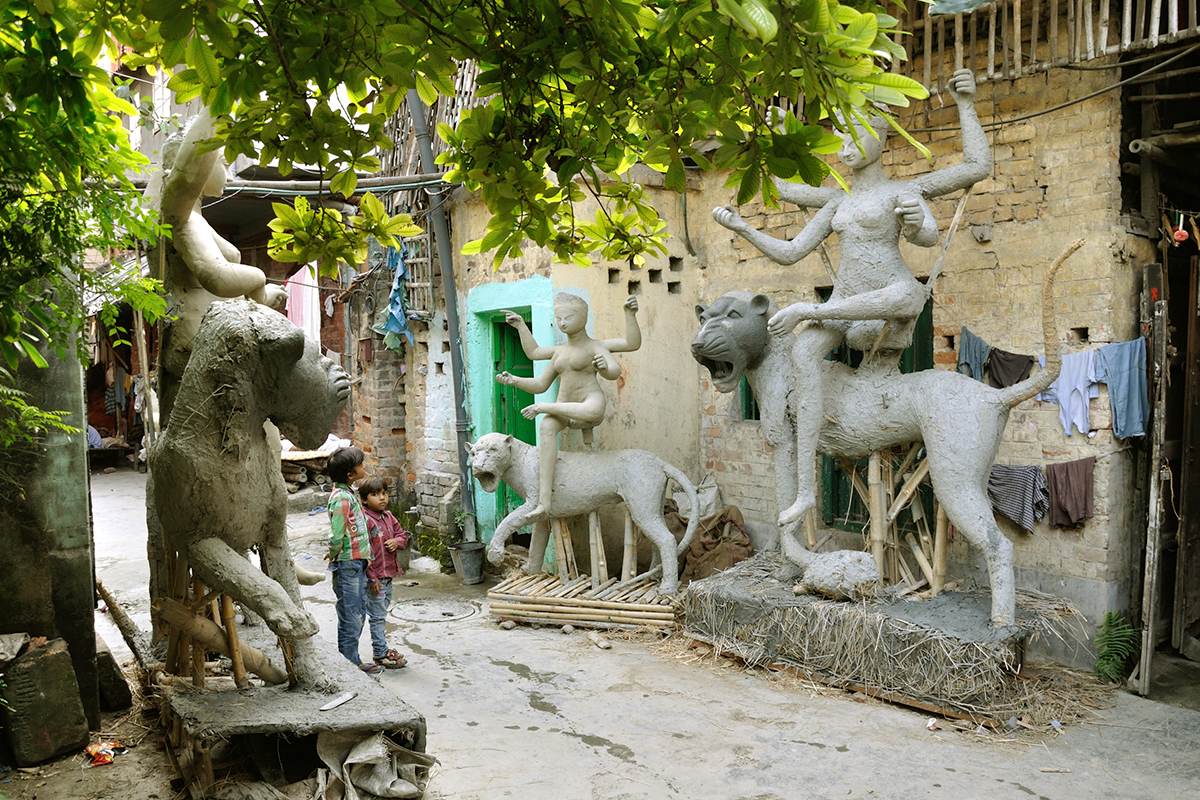
The Grand Sangsar Procession of Krishnagar
The immersion parade of Krishnagar Jagadhatri Puja (locally celebrated as the Sangsar Shovajatra) is globally famed as the second largest carnival procession on Earth after the Rio Carnival.
Hundreds of thousands of people gather on the streets of Krishnagar as giant decorated wooden carts and palanquins carry the sacred deities toward the holy River Jalangi. Accompanied by rhythmic Dhak beats, brass bands, mythological tableaux (*Sang*), and multi-tiered electrical illumination, it forms an unforgettable spiritual carnival.
See Procession Photos & Videos